The blueprint for immersive storytelling.
How do you make an emerging technology disappear?
Rotary International wanted to transport people into humanitarian missions around the world through virtual reality. The challenge wasn't creating immersive films. It was designing an experience that anyone could use, regardless of their language, device or familiarity with VR.
For many people, Rotary VR would be their first experience inside a virtual world. Every interaction needed to feel effortless, so the technology faded into the background and the story could take over.
Every decision was designed to remove friction.
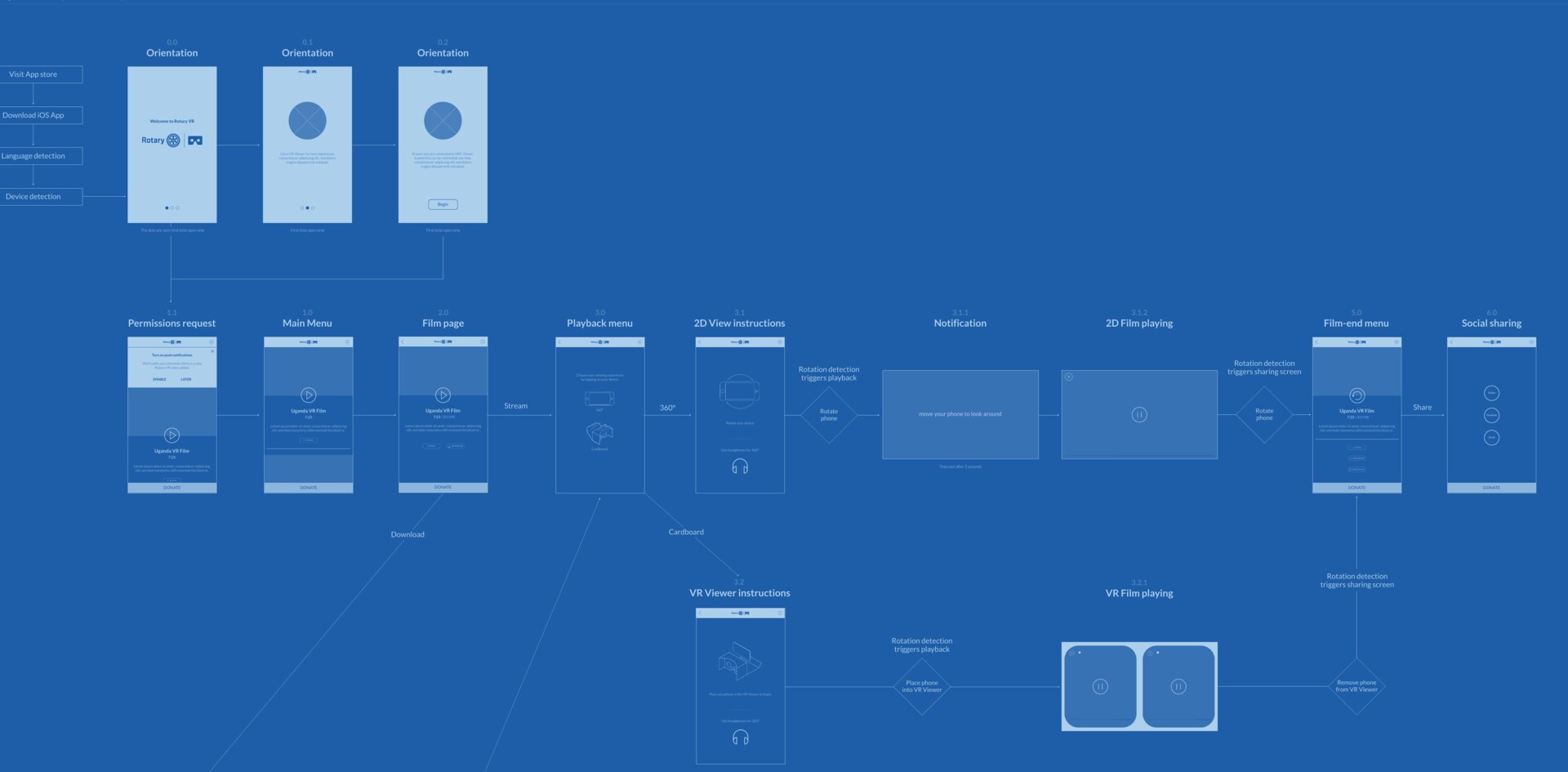
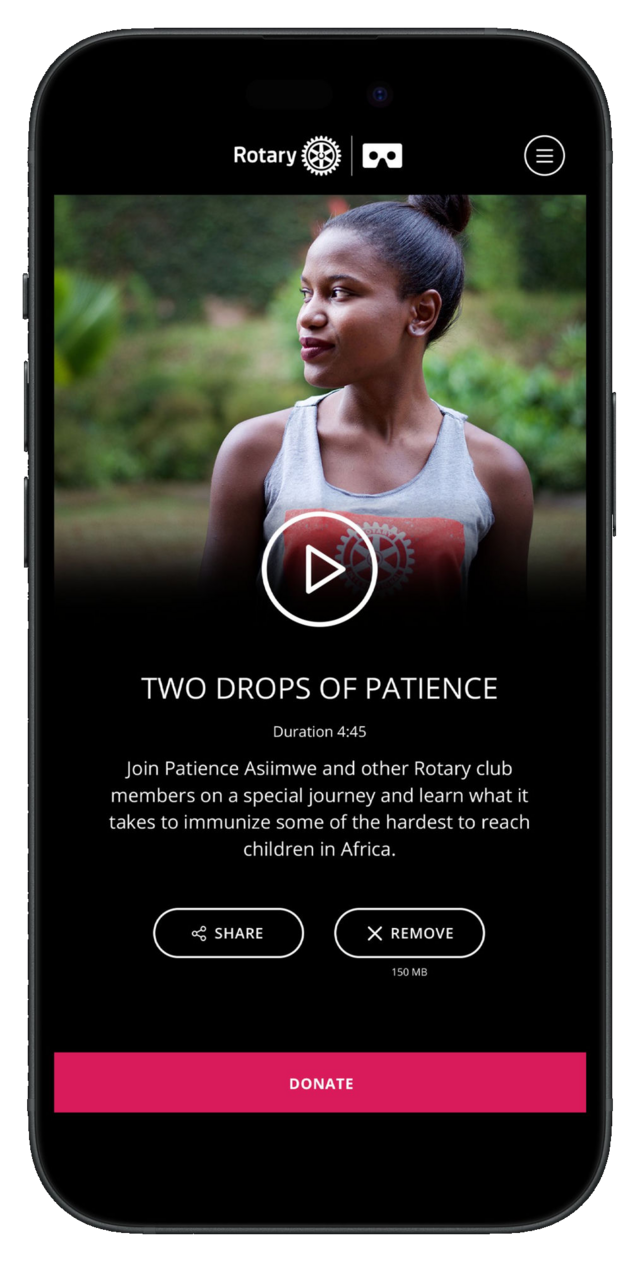
Idea Studio led the experience architecture, interaction design and interface system behind Rotary VR, creating a platform that supported nine languages, multiple content libraries, downloadable and streamed experiences, traditional 2D playback, Google Cardboard and the major VR headsets.
From onboarding first-time VR users to helping clubs manage connectivity challenges at live events, every detail was considered. Navigation, language selection, playback options, accessibility and donation pathways were designed as one connected experience rather than a collection of screens.
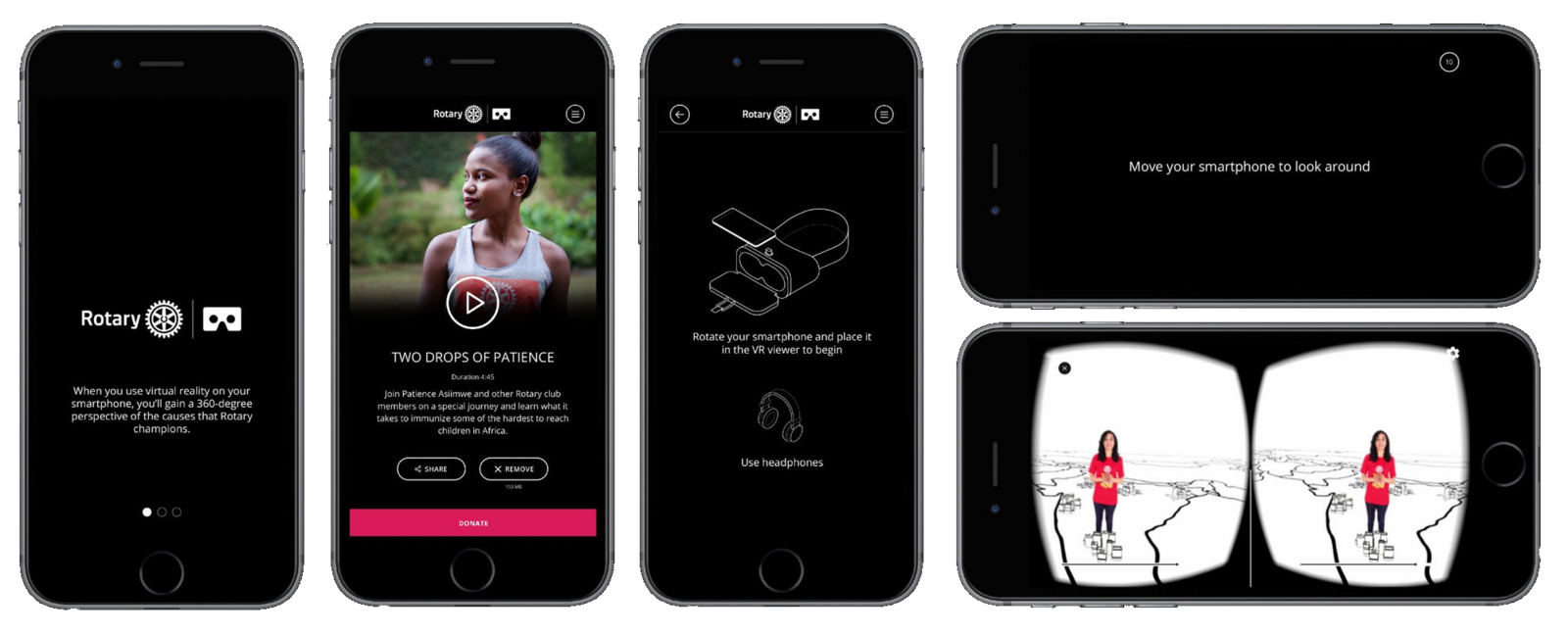
Rotary VR wasn't a film player.
It was a content platform designed to support an expanding library of immersive stories while remaining consistent across devices, operating systems and audiences worldwide.
Its modular architecture allowed new experiences to be introduced without redesigning the application, giving Rotary a long-term foundation for immersive storytelling.
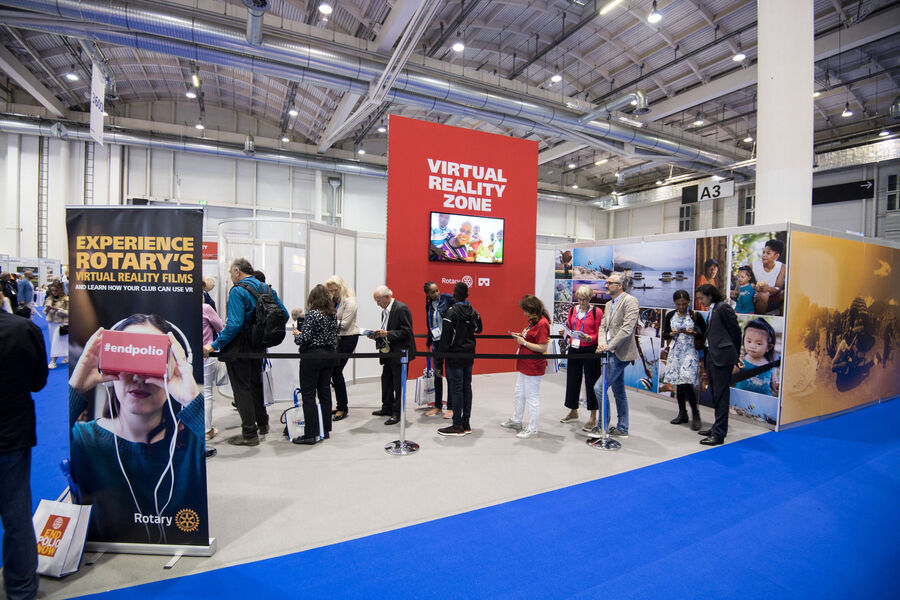
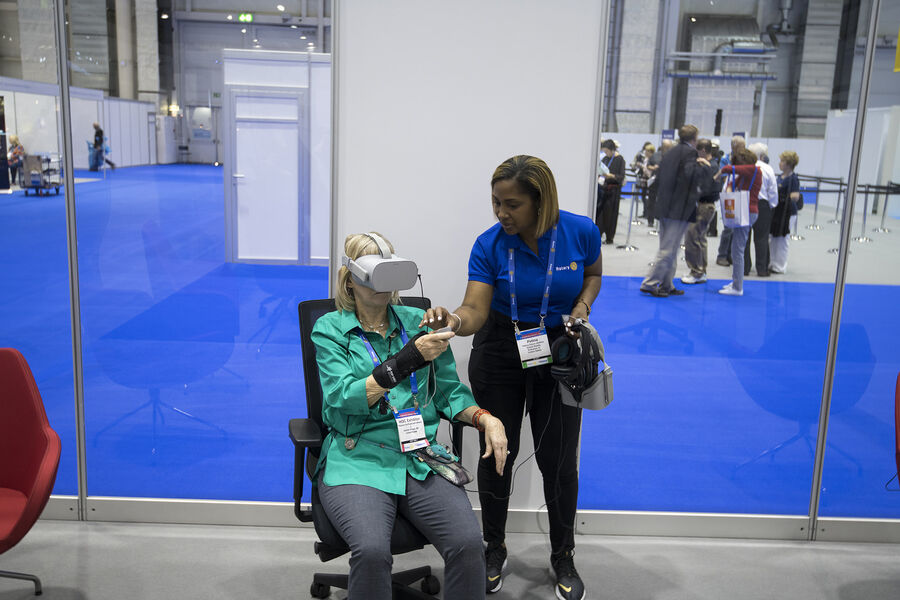
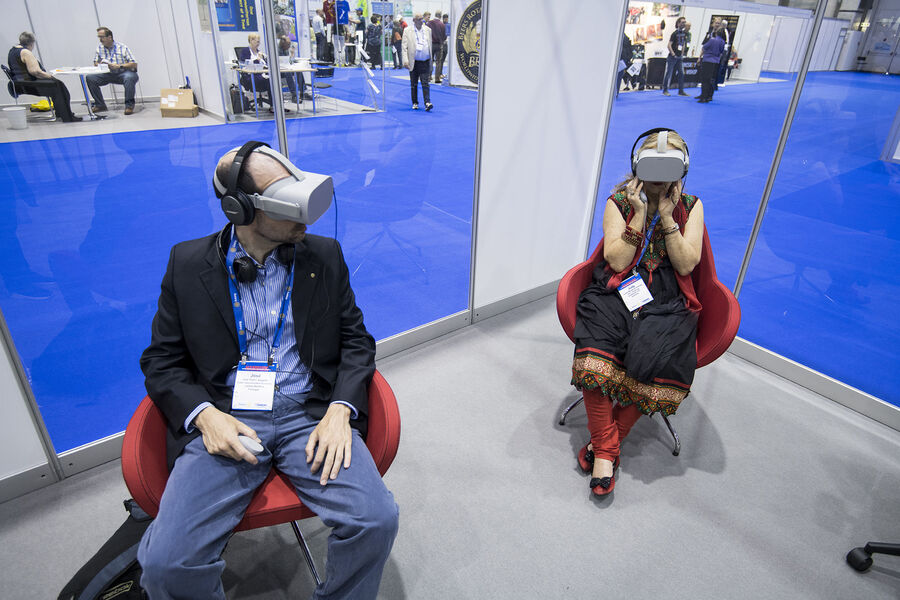
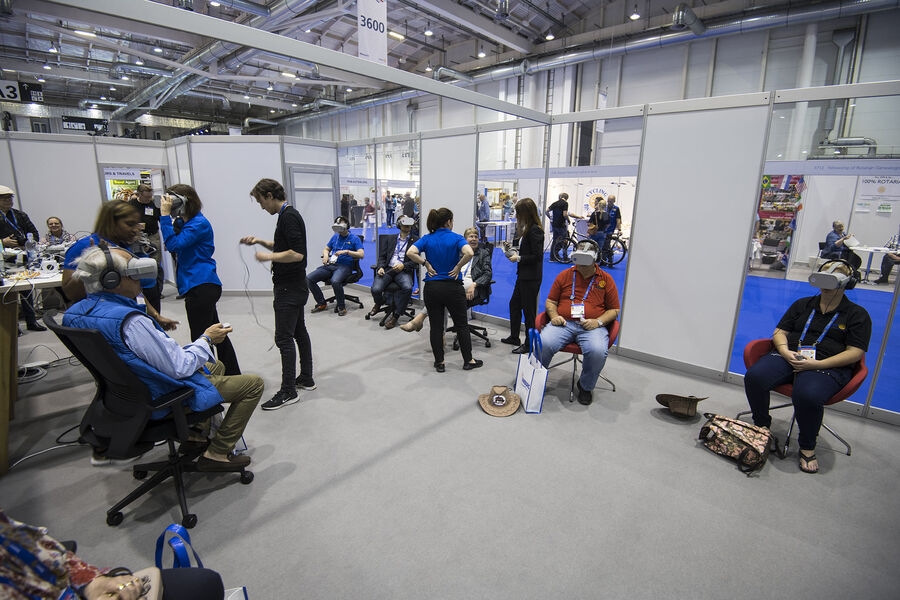
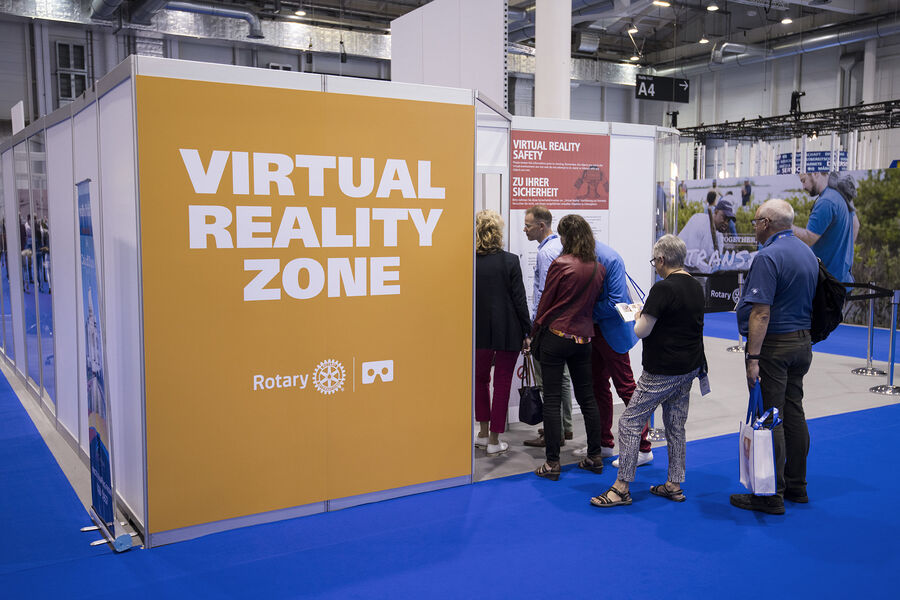
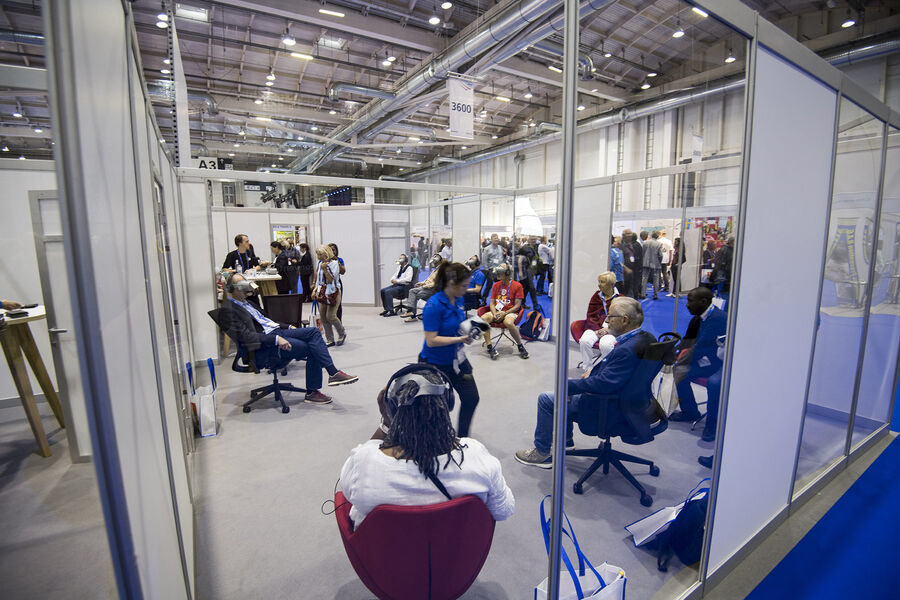
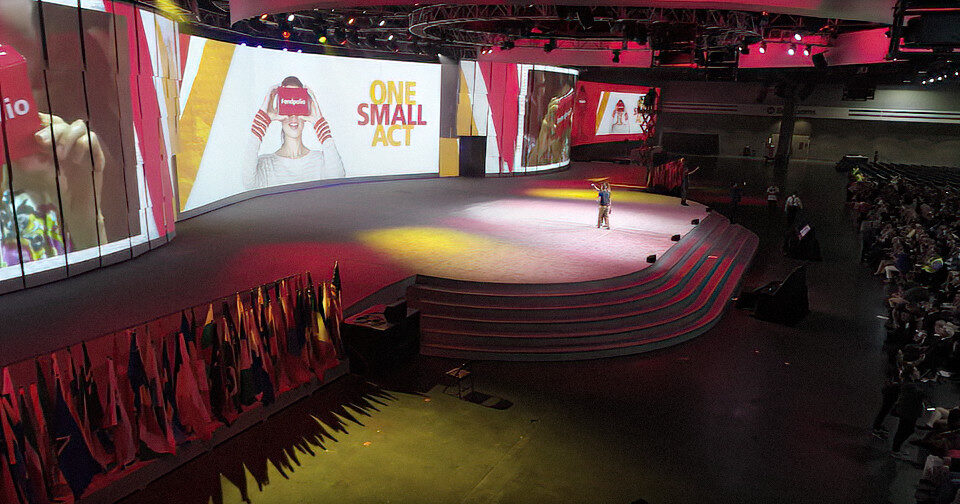
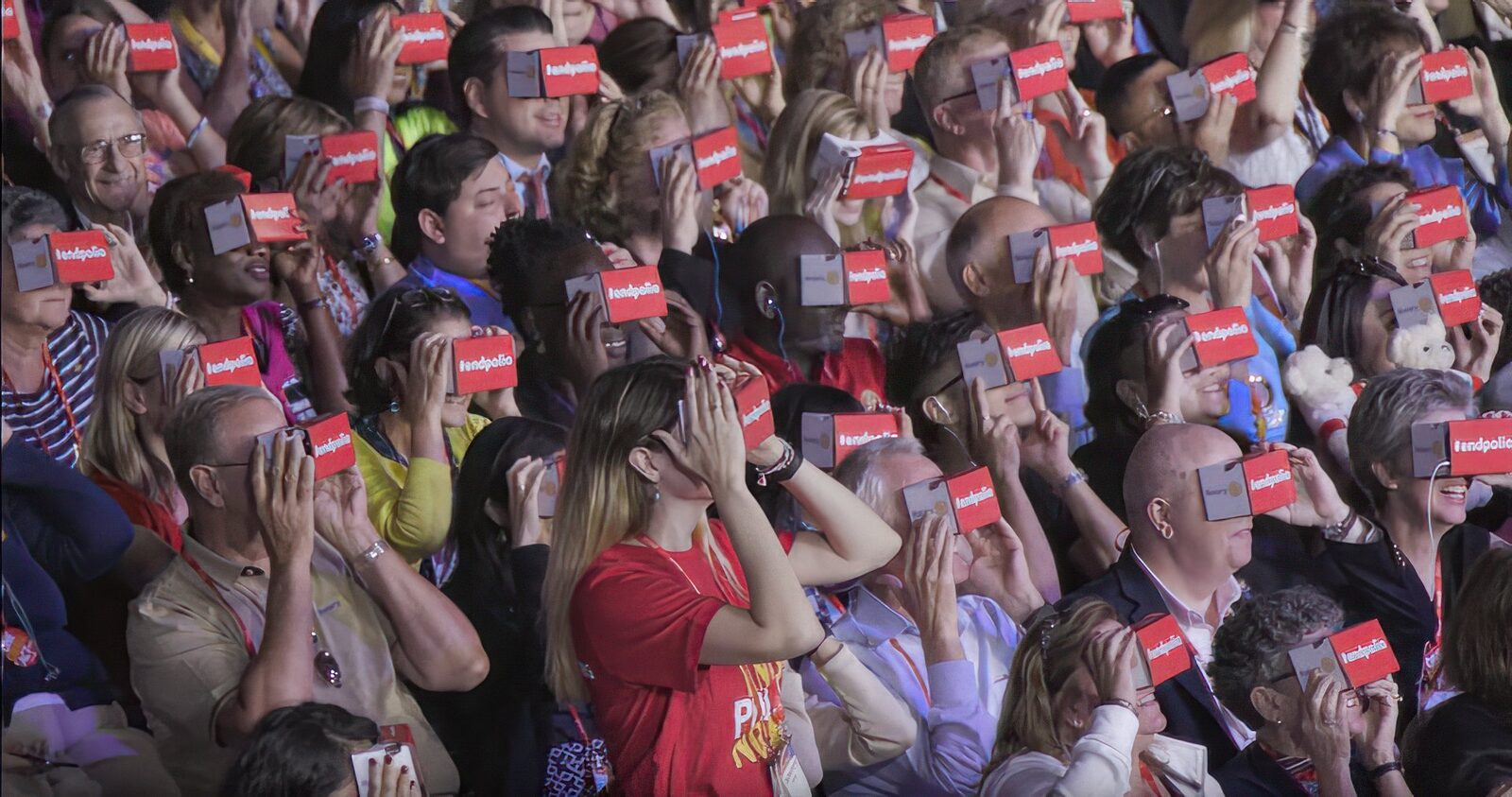
The platform launched at the Rotary International Convention, where Idea Studio synchronized the release of both the application and its premiere film.
At the precise moment the experience became available, more than 2,000 attendees entered virtual reality together, establishing a new benchmark for large-scale immersive storytelling and demonstrating how thoughtfully designed experiences can unite thousands of people through a shared moment.