It's been 6 months since Idea Studio went to Africa to film the latest UNICEF360° film, "Karamoja Rising," and those of you that know me have likely heard the story behind this story. Actually, some of you that don't know me have heard it too. Including Uber drivers, bank tellers, dog walkers, a couple of baristas, and a telemarketer. Since signing up for this adventure I've felt a heavy burden to share what I witnessed with anyone that would listen, so please make yourself comfortable, because now I'm sharing it with you.
This is Lucy and her daughter Aliat. Lucy has given birth to ten children, two of which have died, and Aliat almost became the third. Lucy's eyes instantly humbled me, and still haunt me. She is a perfect example of how hard life is for the women and children of Karamoja, and why our trip was so important.
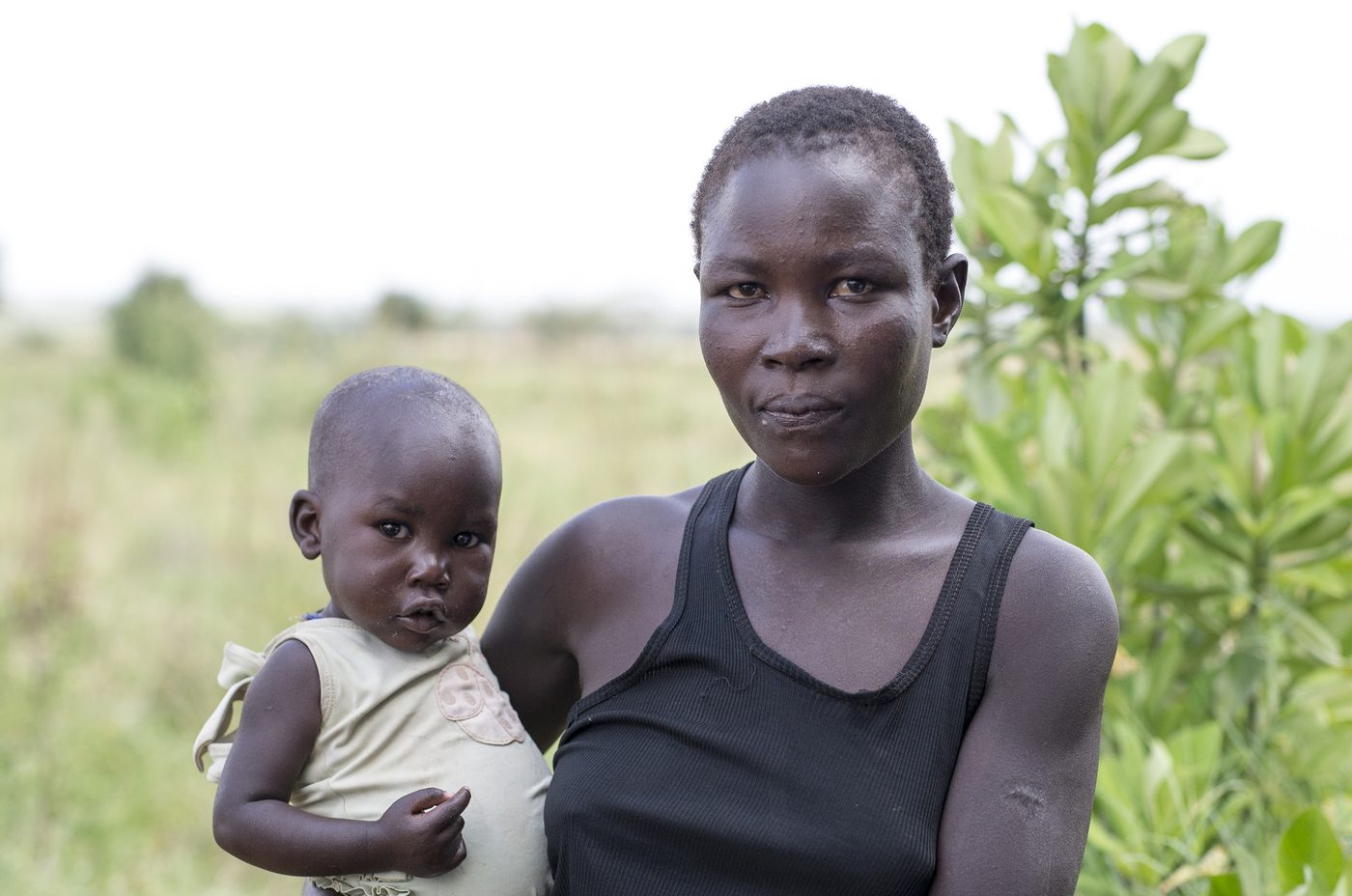
To truly understand the problems of Karamoja, you really need to see it for yourself. Environmental issues, insecurity, marginalization, and poor infrastructure are the main factors that contribute to the declining welfare and living conditions of the Karamojong people. That's what it says in the headlines, but we've become conditioned by the words of a world that has too many problems. Sometimes a sobering look from the eyes of someone like Lucy is what it takes to snap people out of their own lives long enough to do something.
Five of us boarded a small aircraft at the Kajjansi airstrip in Kampala on December 15th, 2015, and after a short 2 hour flight, we found ourselves back in time a thousand years. We landed in the northeastern tip of Uganda, near Mt. Moroto on the border of Kenya. As we descended for landing we admired the circular Manyattas from the sky, like crop circles left by an alien race.
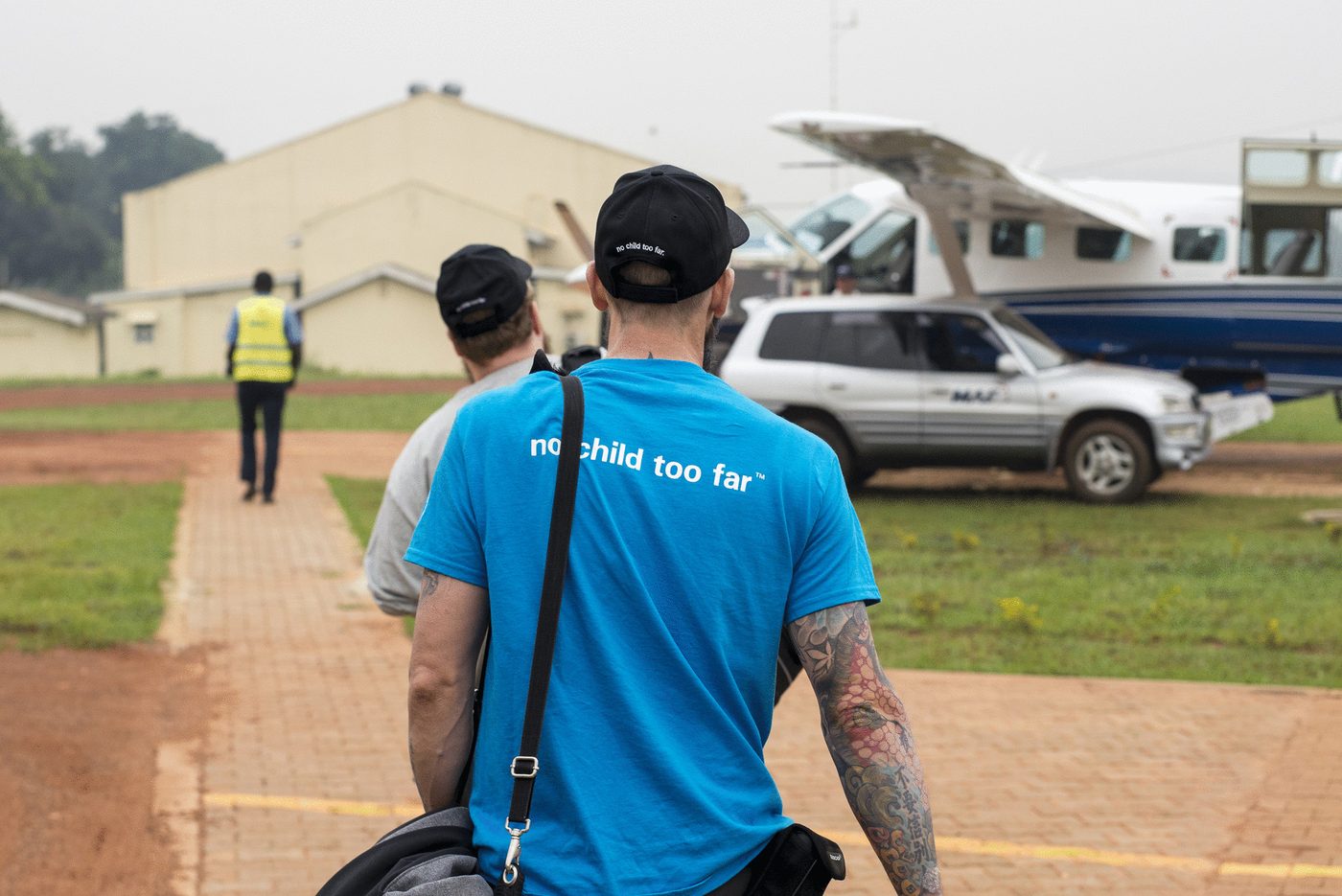
After a short UNDSS security briefing at the Nadunget Airstrip lounge, we were taken into the Nadunget sub-county to the village of Namagorat.
When we arrived at the outside of the Manyatta several curious children cautiously approached us. They were shy at first, but welcomed the sight of the familiar UN Land Rovers. UNICEF Uganda is very well known to these people, for without its assistance and support, they would most definitely perish.
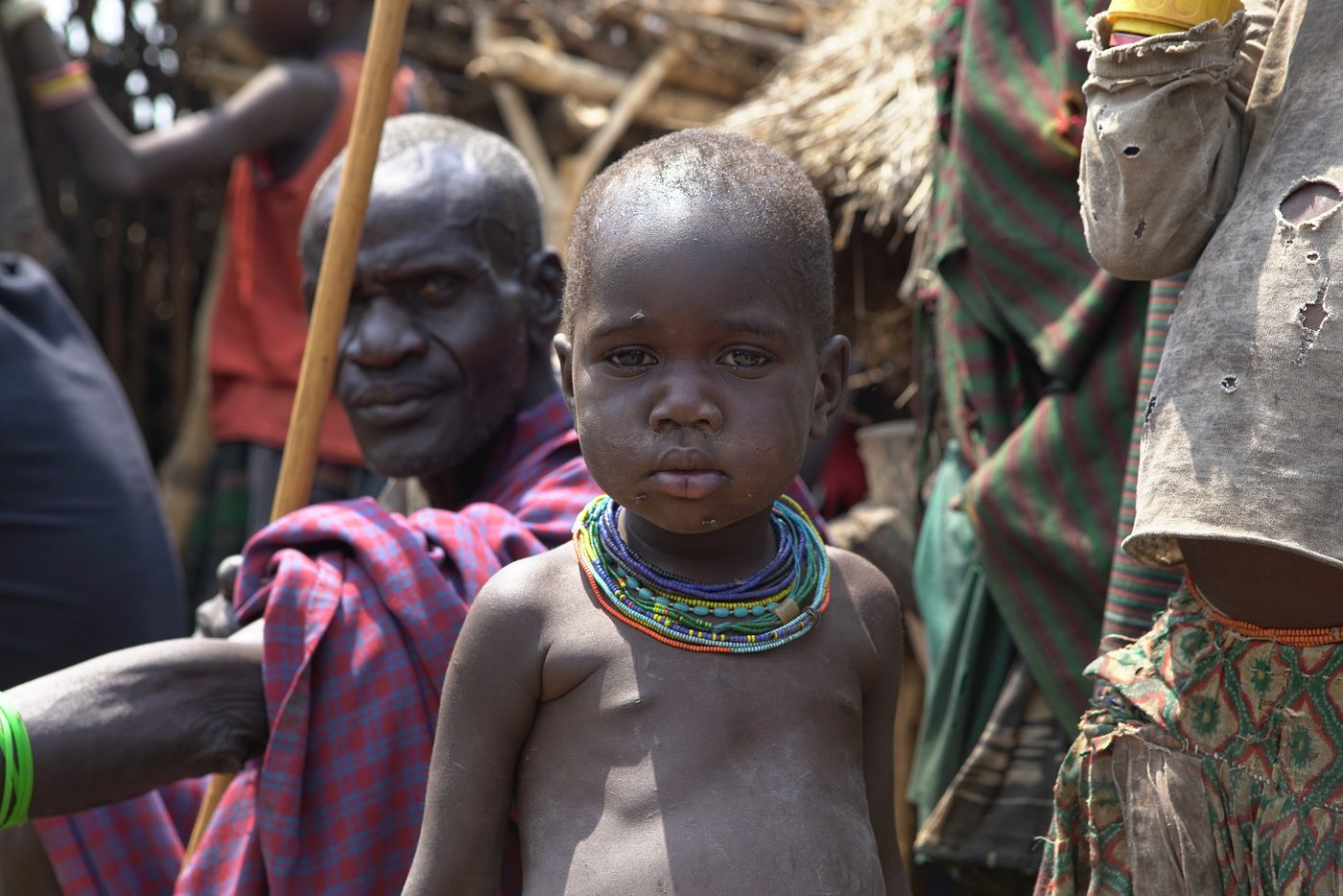
Seeing children in conditions like this for the first time will leave a mark on you. We were properly warned, but there's really no briefing for something like this. They literally have nothing, and the youngest children wore only torn and sullied shirts. Many of them showed signs of malnutrition, and some were in dire need of medical attention.
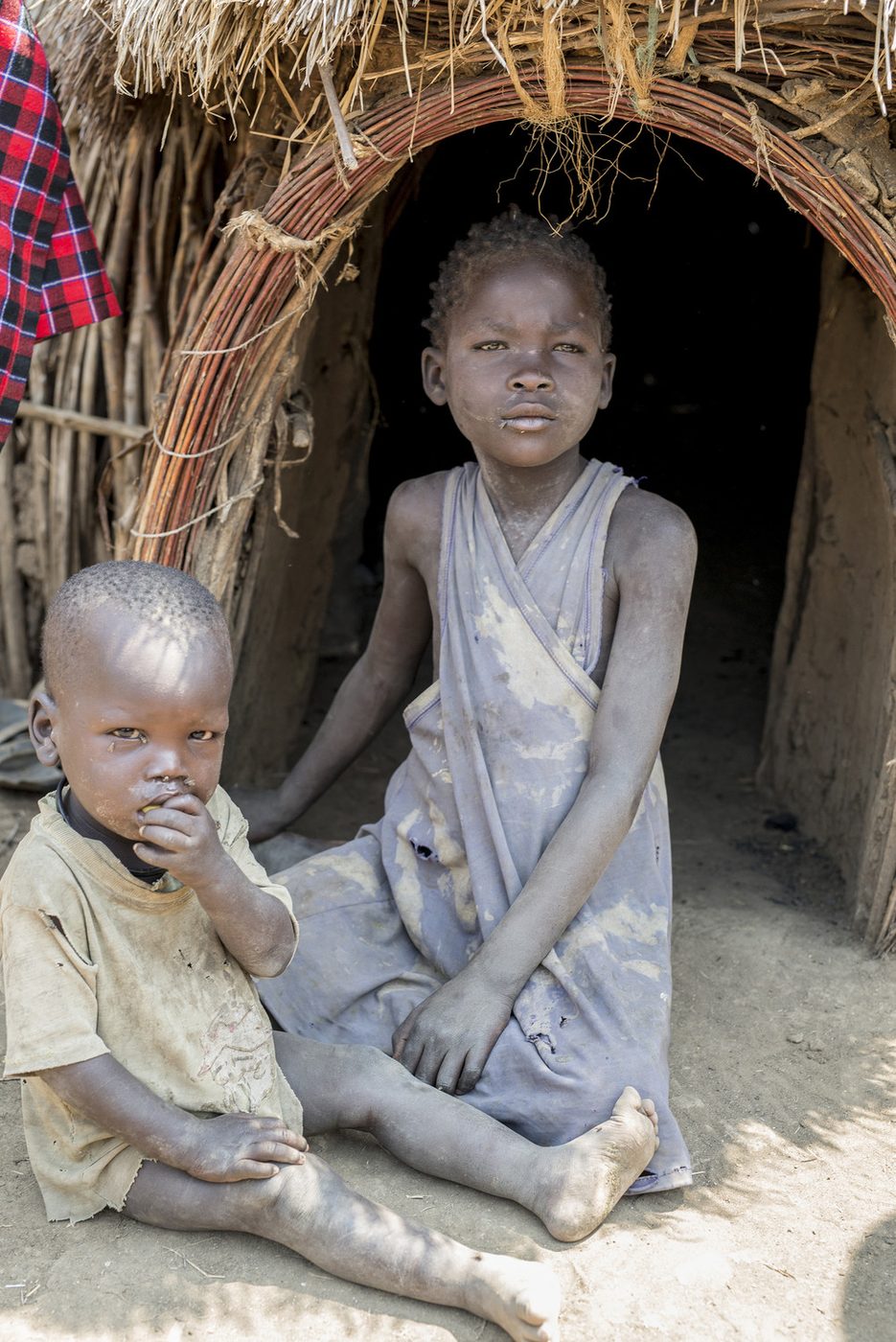
My instinct was to start doing something right then and there. Let's get them some food and water, and get the sick to the hospital, I'm thinking. Then I remember we have a film to shoot. I think that was the hardest part for many of us: staying focused on telling their story instead of helping them in the moment. Don't get me wrong, help was happening all around us, and the efforts of UNICEF are ongoing in the field, but what we were feeling was more personal. We wanted to save these kids, but we quickly agreed that the best way for us to help them was to stay focused on telling their story to the rest of the world.
So we did our jobs, and started a project that's one of the first of its kind. If you're wondering why we did all this, consider the fact that donors are more loyal to causes they feel close to. What better way to get you closer to all the issues UNICEF is facing around the world, than to actually put you there, albeit virtually, to witness the impact your support can have.
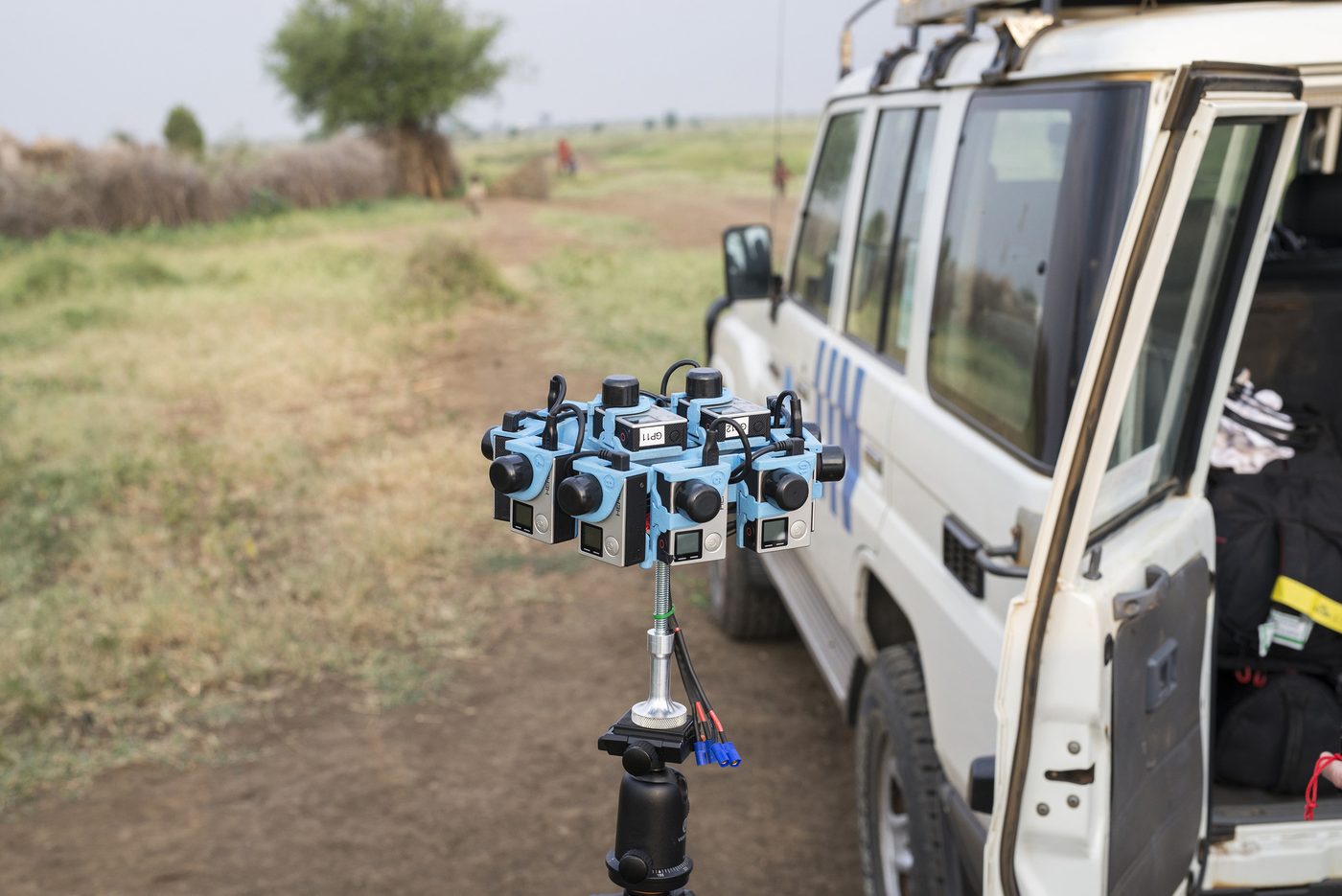
Storytelling in VR opens up all kinds of possibilities. I could go on for days about all that we have learned so far, but the bottom line is when you're using a camera that shoots the entire sphere, the sky above, the ground under your feet and everything in between, you really need to change the way you look at everything. Rule number 1: if you're telling a story in 360° video that could also be told within the limitations of a traditional video frame, you're doing it wrong.
Now back to Africa.
At certain points on this trip we needed to remind ourselves that it was actually happening. Dropped into a forgotten place with this insane camera rig, filming in the equator heat, flies all over us, and running around trying to hide behind stick huts and bushes to avoid being on camera.
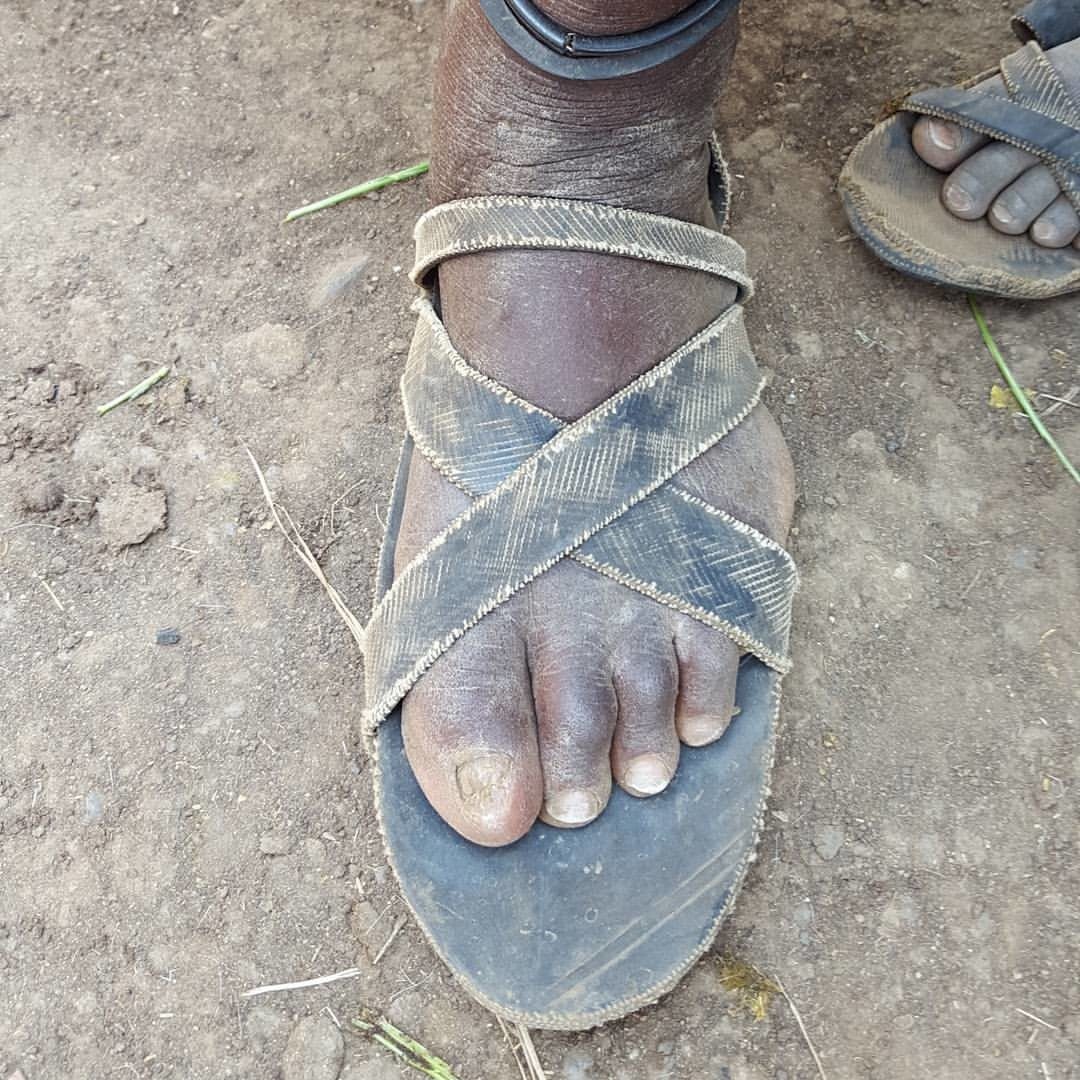
We must've looked pretty funny to these people. I mean, I'm positive we did because they openly laughed at us, many times. Especially when we tried to crawl through their front door, which is basically a very small opening in a woven stick fence lined with thorns. At this point I'm still wearing the same yoga pants I had on when I flew in from Toronto. My gear arrived in Kampala days late, just in time for the long journey home actually. Special thanks to KLM for that one. I just kept thinking to myself that I brought first world problems with me, and there was no way I was going to be caught complaining about the lack of spare socks, while villagers around me wore sandals made from recycled tires. Which is a pretty ingenious idea, by the way.
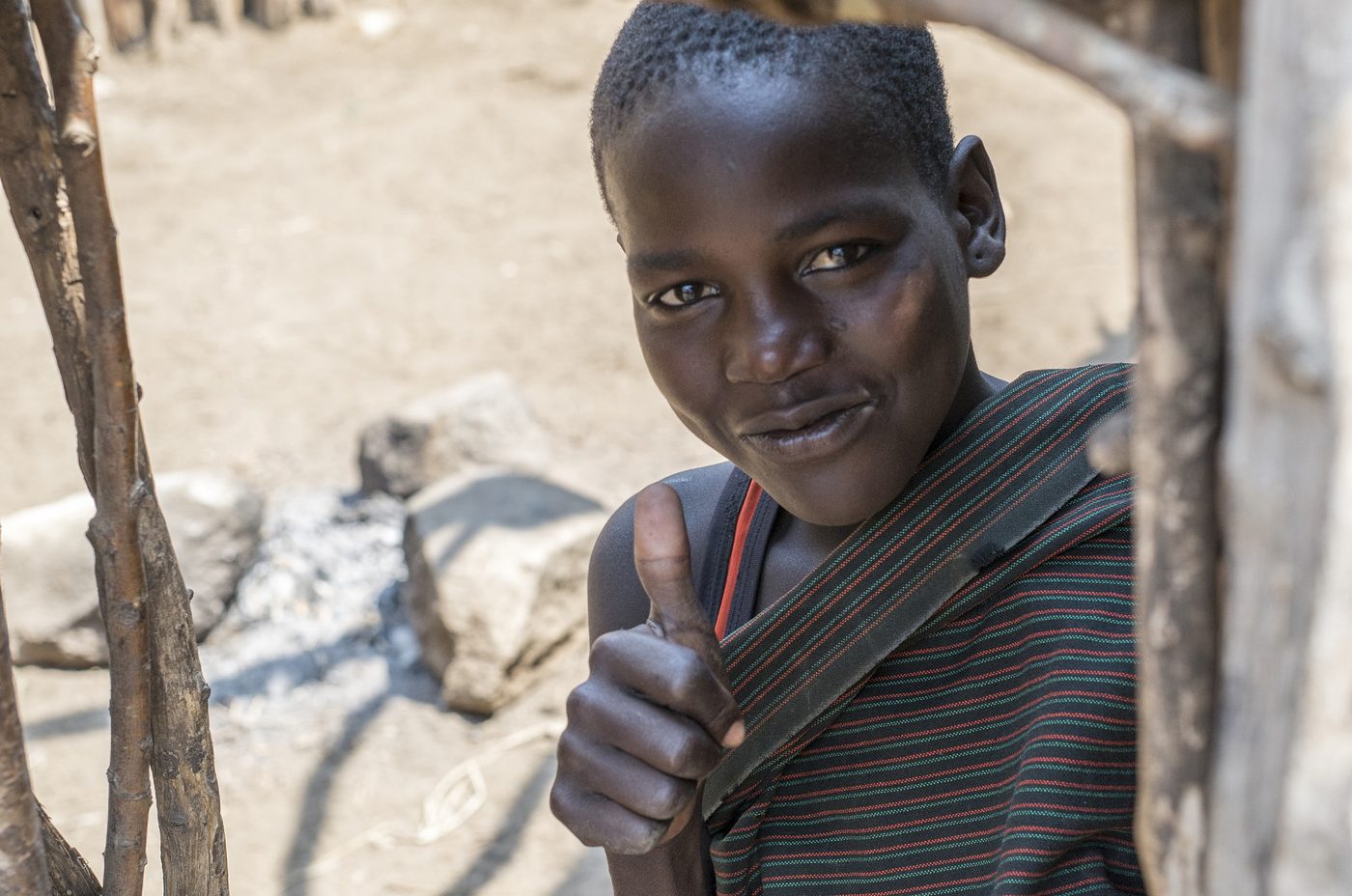
Once we made it through the front door with all our gear, we finally met Sylvia Joy, a 14 year old girl who was to be the focus of our attention for the next day, and as it turns out, none of us were ready for what her interview would reveal.
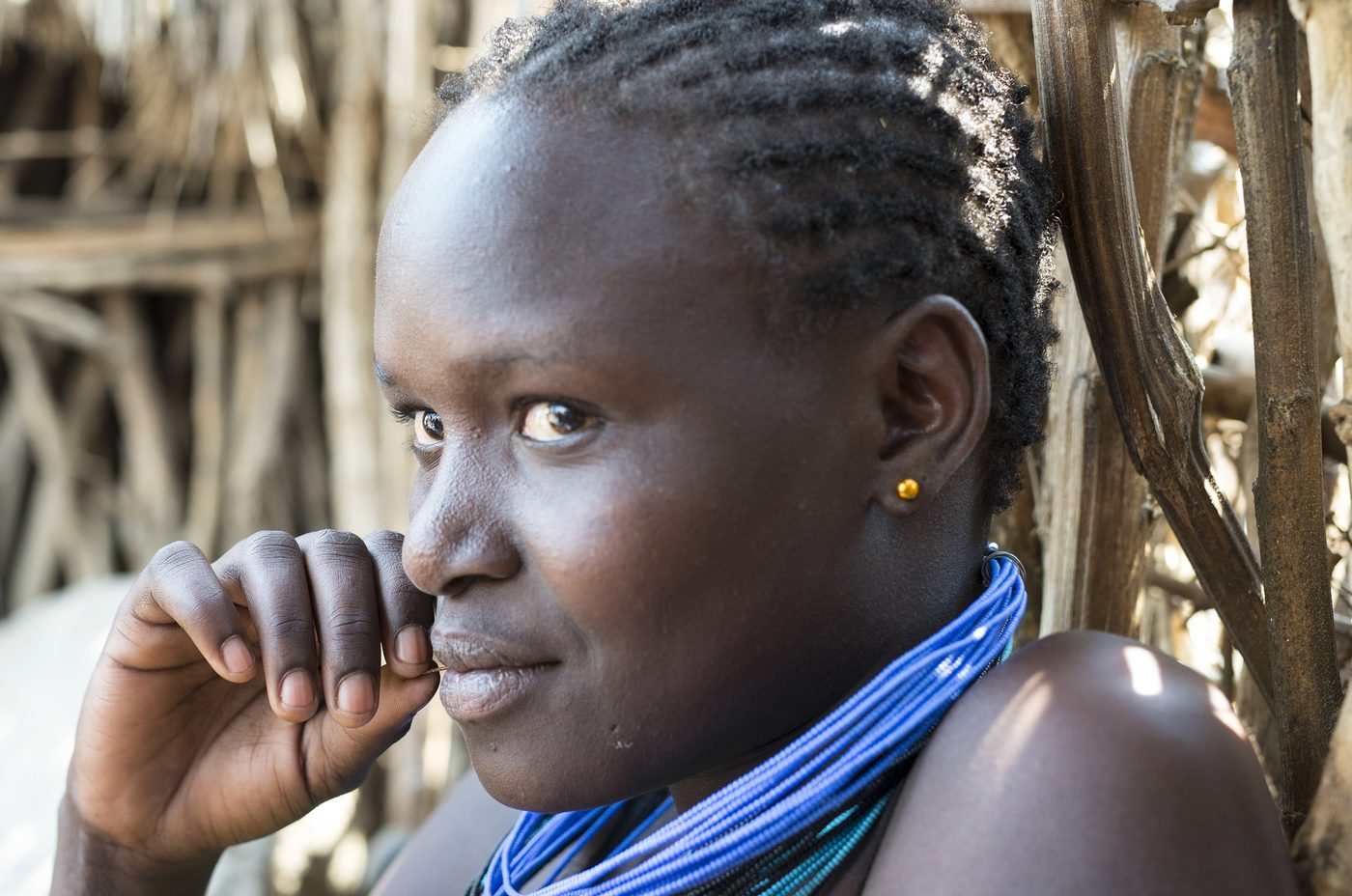
Sylvia rarely looked into your eyes, but she has a strength and determination that echoes her mother's voice. It was difficult to get her talking but thankfully Norah, Sylvia's best friend, was right beside her. These two girls are inseparable and incredibly protective of one another, which is great to see because they are so much safer when they're together.
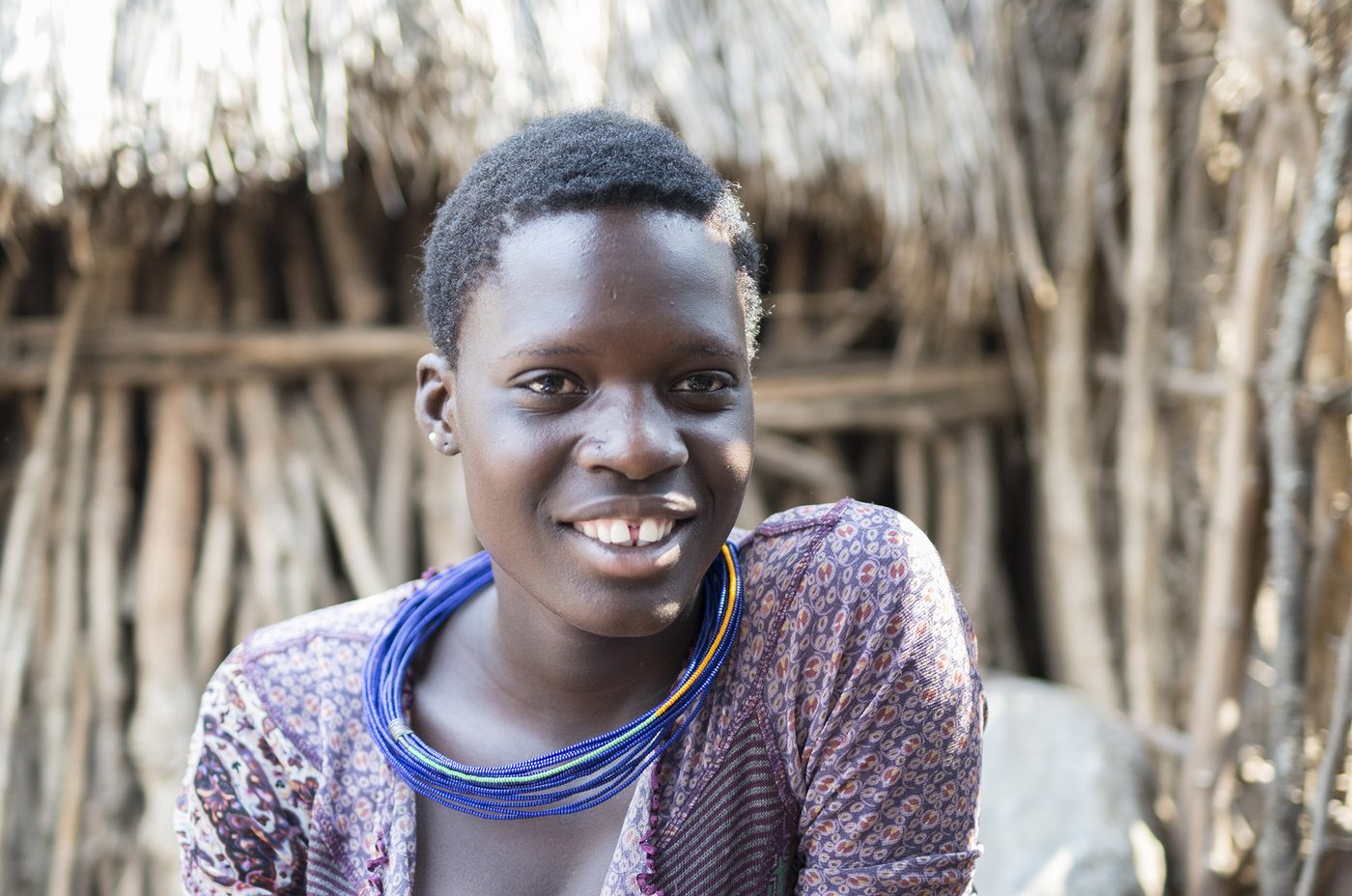
At a certain point in the interview all the men left, except for our audio technician, and Sylvia started to open up and talk about her fears and ambitions more candidly. All she wants is to be able to go to school, and unfortunately she lost the support of her aunt who was making that happen. Sylvia actually wrote her tests but wasn't allowed to see her score because she couldn't pay for her report card. As a parent, it was disturbing to me to learn this and see such an eager student discouraged, but the more she revealed the worse it got.
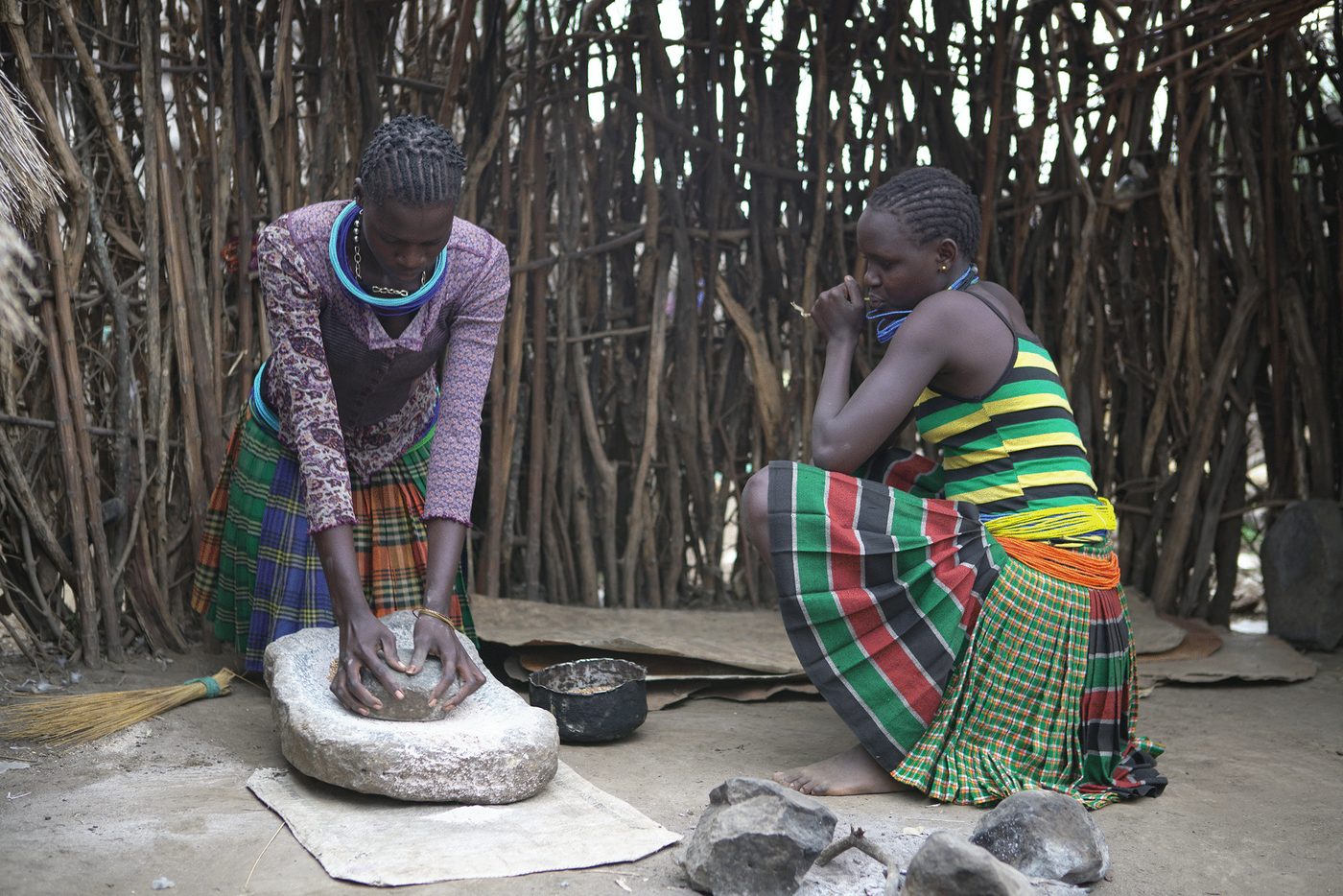
Sylvia's ambitions to go to school to become a nurse are also shadowed by her fears of courtship rape, a daily concern for all girls in Karamoja. Just the day before we arrived, one of her friends was taken by a group of men. In Sylvia's words, once that happens, "your life is useless." It's a very old custom of men picking brides, and thankfully it's becoming more a thing of the past, but on this day the scary reminder that it's still happening became our dread.
A bumpy ride down the dusty path into the Rupa sub-county helped us process what we had just heard, and when we arrived in the Kalukalet village we met Lochoro Lochap.
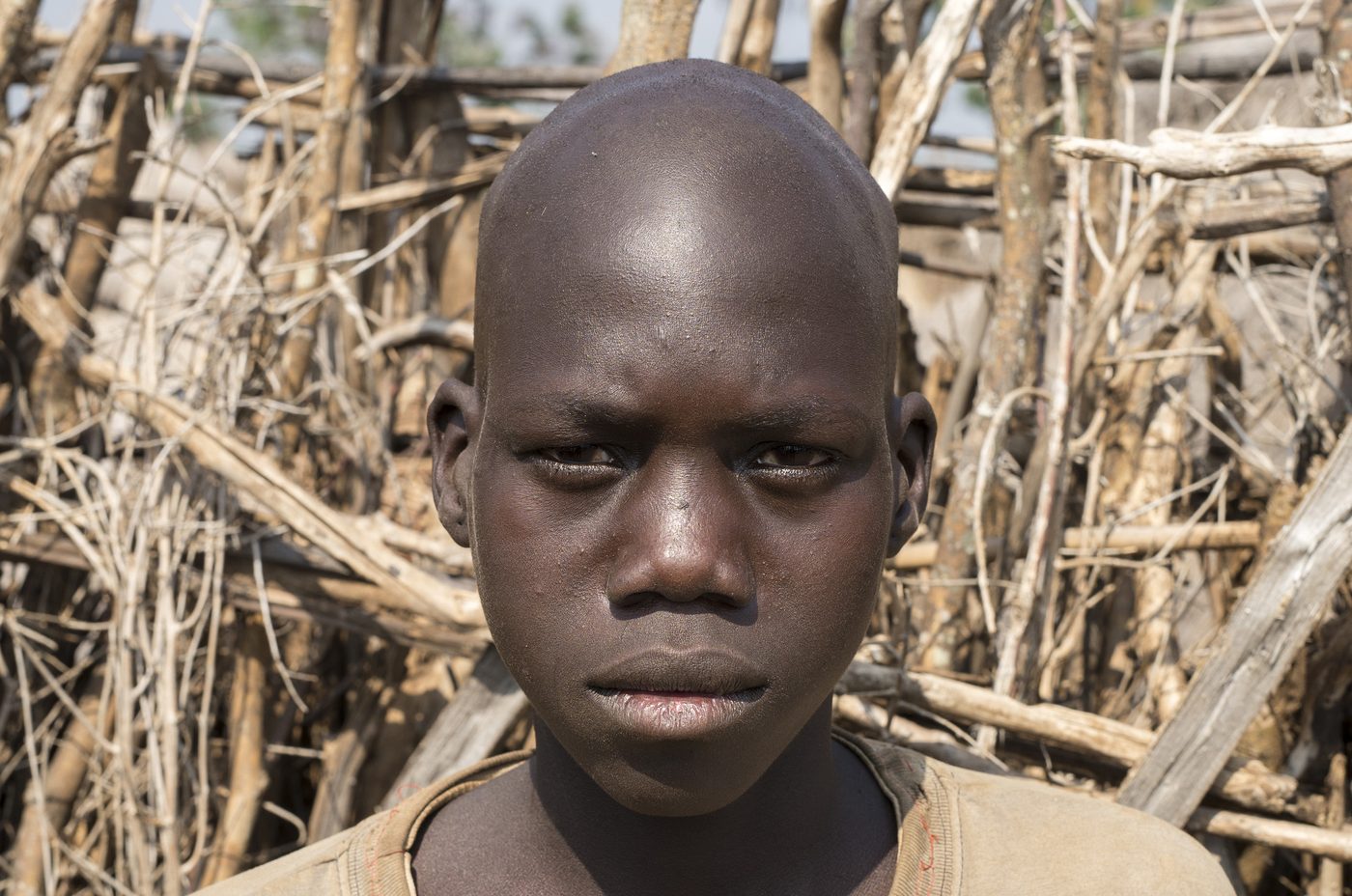
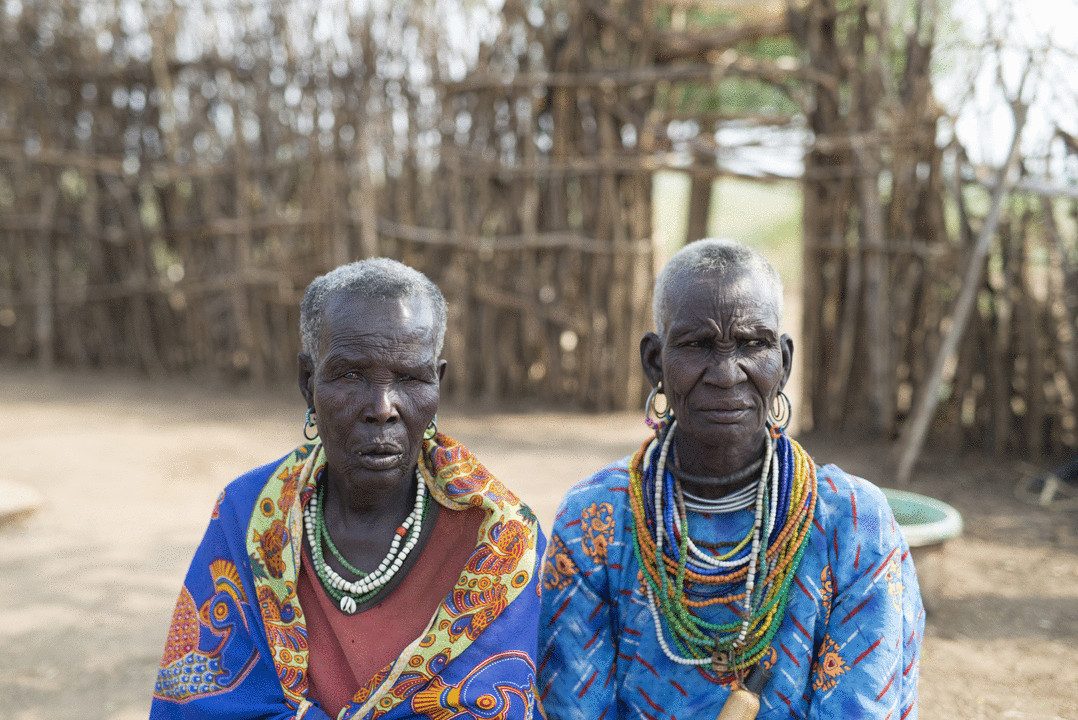
Lochap is a 12 year old boy that has no parents, and 4 younger siblings to look after, the oldest being 6. Oh, and if you're wondering who those two lovely old ladies are, they're Lochap's grandmothers, 73 and 95 years old respectively. According to Lochap they're too old to do anything, but they tell him what to do. This kid's hands are full, he even cooks, although not much lately as there's nothing to eat. The entire Kalukalet village is starving due to the intense drought in the area.
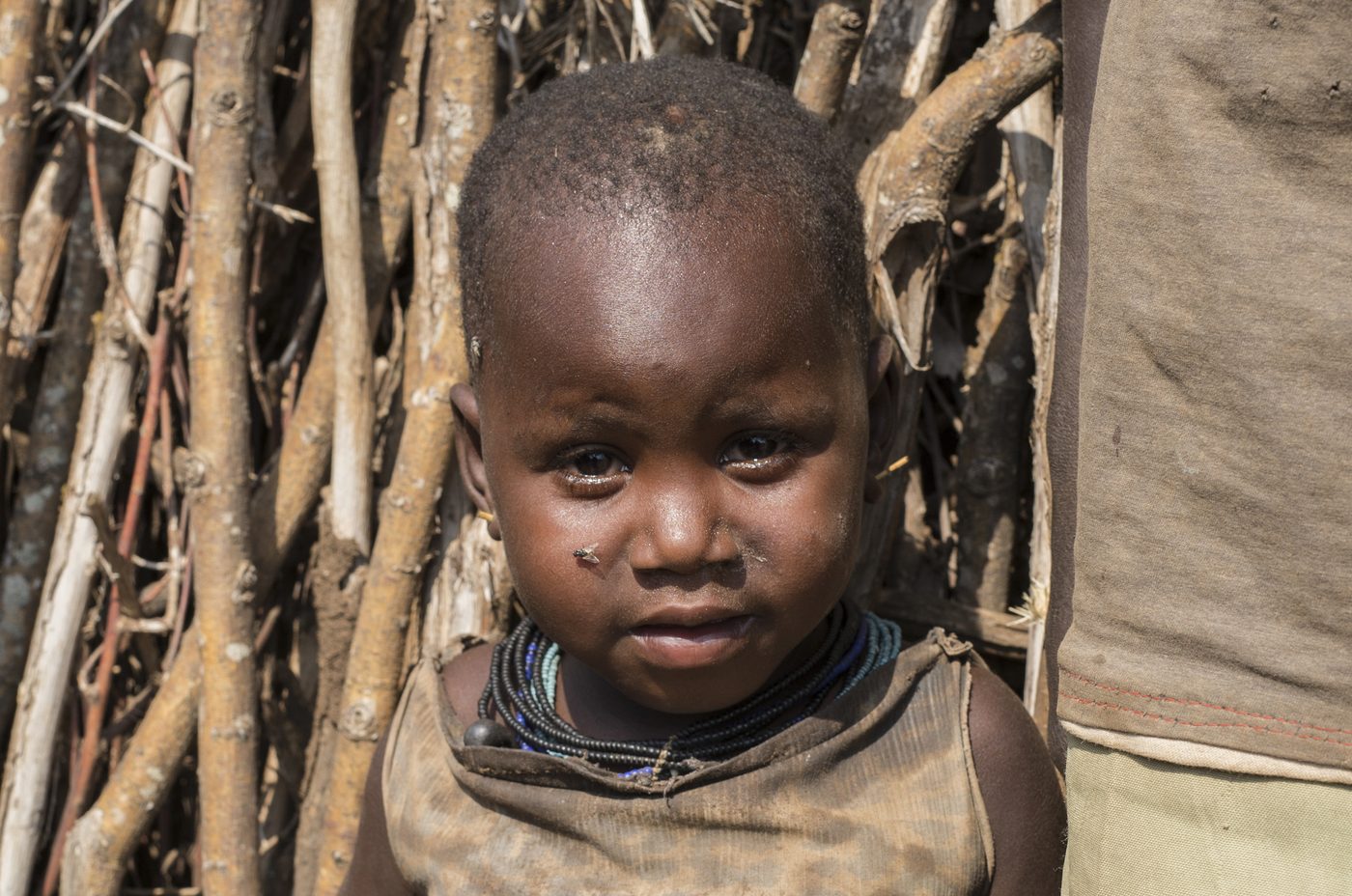
The more we learned about Lochap, the more respect we had for him. This kid accepts the hard responsibility life's thrown at him without complaint, and has a matter-of-fact kind of quality to him that seems to stem from the harshness of this place. When I asked if he sometimes goes to other villages to look for food, his words were: "You go ask if they can give you, if they don't, you leave." He's tough, but everything you need to know about Lochap's true character is demonstrated by his little sister, who never leaves his side.
The next part of our expedition was the one that hit us all the hardest, for good and bad reasons. On our last day we were taken to the St. Kizito Matany hospital where, after a short orientation by Head Nurse Atekit Hellenic, we were walked past the Children's ITC Ward. A place where none of us would ever dream of taking a photo, a place where children were literally dying in front of our eyes. Advanced malnutrition is a terrible thing for a child to experience.
Outside, women lined up with their babies to take part in an outpatient program that happens every Thursday to provide supplemental feeding to children that are recovering. The moment all of us came into their view from around the corner, they burst into a spontaneous song that stopped us in our tracks. It was a song of thank-you to UNICEF, as many of us were wearing the familiar blue tees and UNICEF ball caps. We scrambled to record it and managed to get the audio, which we used at the end of our film. I made a short speech to thank them, and while I looked into their eyes I felt that humbling feeling again, knowing that they were looking to me to help them, and all I could do was operate a camera.
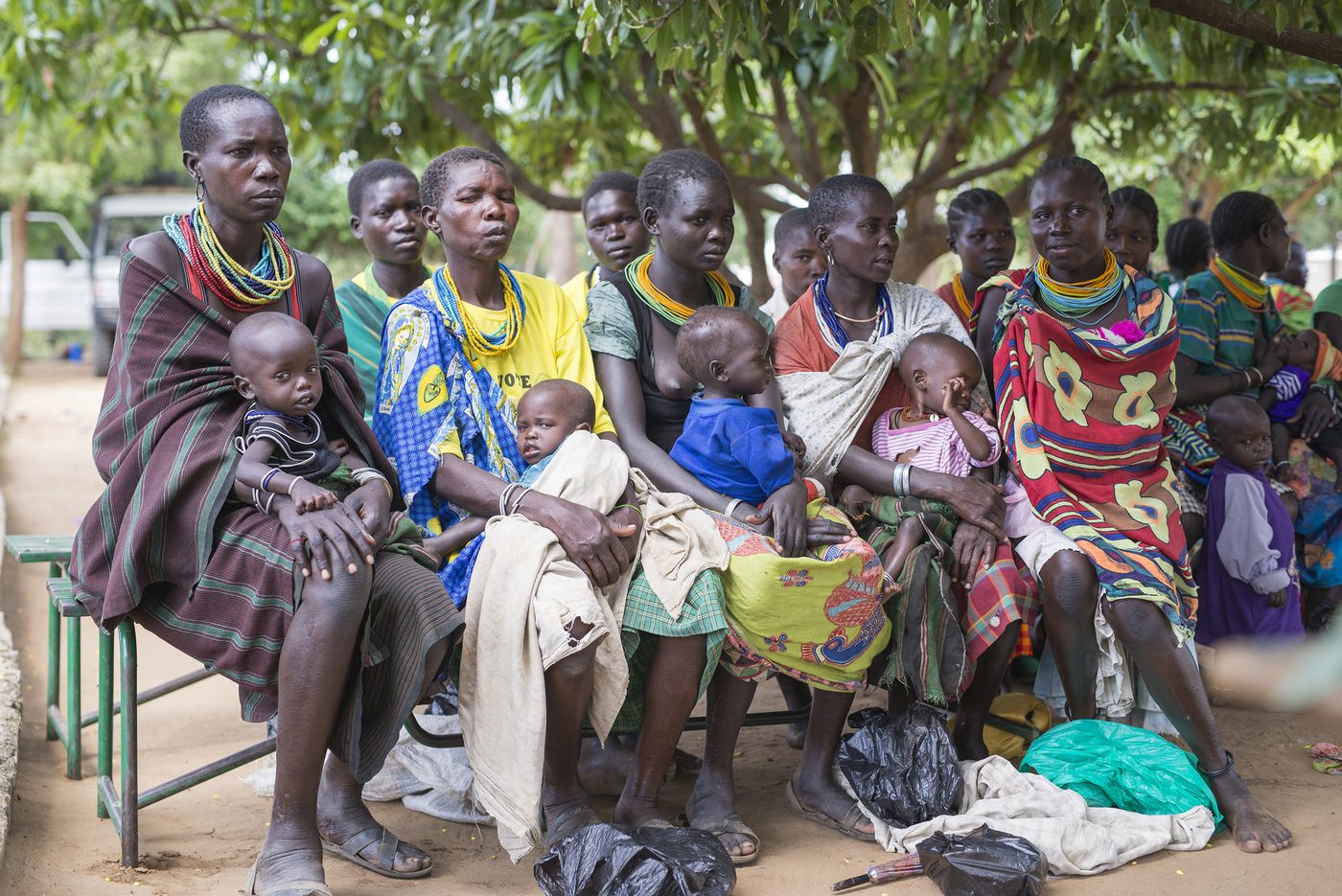
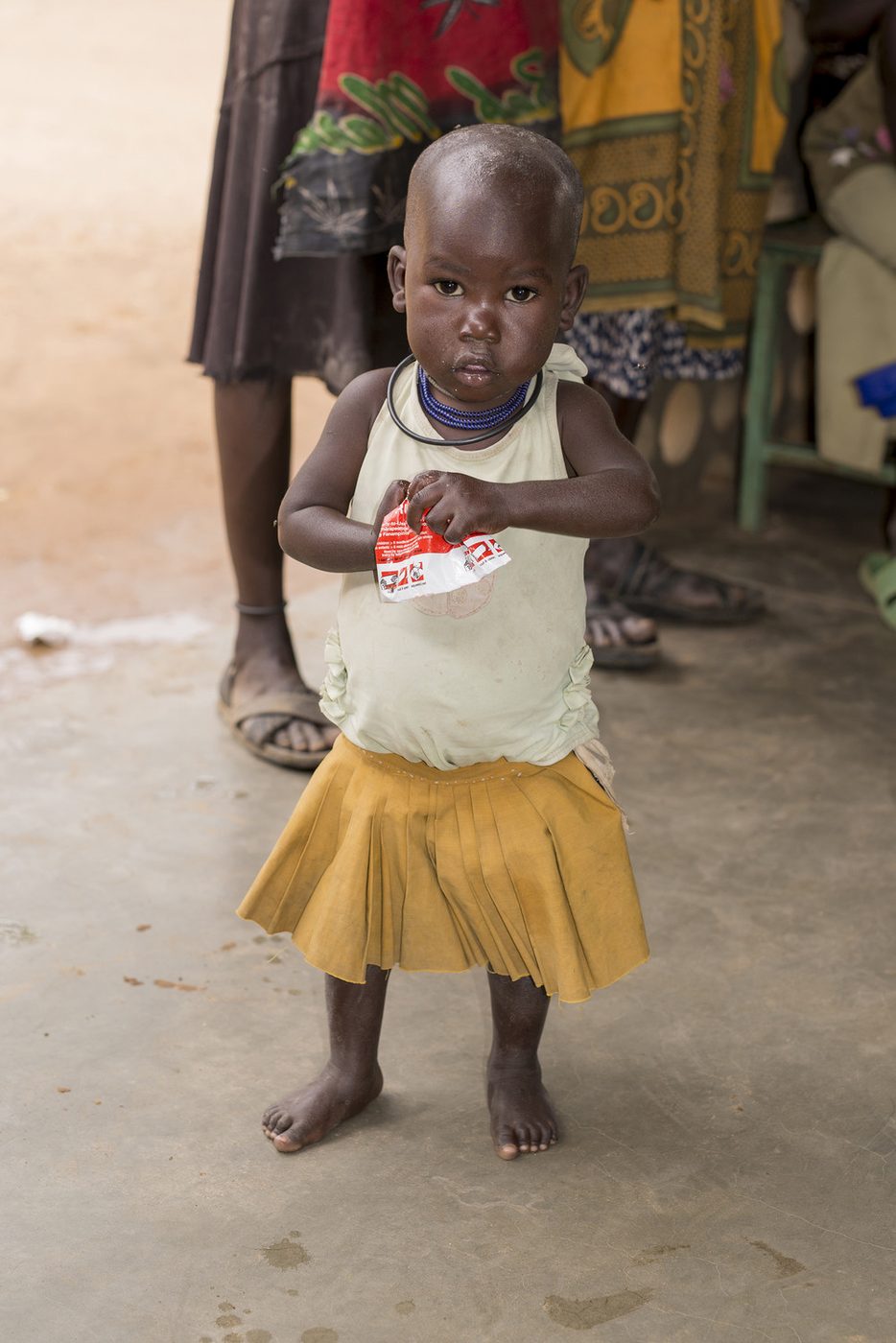
Three months earlier one of those women lining up was Lucy, remember Lucy from the top? Lucy made a life-saving decision to bring Aliat to the St. Kizito Matany hospital as she was experiencing advanced malnutrition. In Lucy's words: "My daughter fell sick, refused feeding, started passing urine in the bed, and sweating at night. For three days she was like this. I went to the bush to collect herbs for her. After 3 more days I took her to the hospital because her fever would not come down." Aliat was immediately put in the Nutrition Unit and eventually started taking milk and porridge until her condition improved. Aliat also benefited from Plumpy'Nut, an innovative peanut-based feeding supplement provided by UNICEF that is as effective as it is loved by the children.
Every village we visited seemed to have its own unique set of issues, but clean water is the single most important by far. Water is connected to everything: health, education, even safety. And when you consider that more than 60 percent of children live more than 30 minutes from a clean water source, and that 30 percent of children have no access to clean water at all, you can start to see why getting these people access to clean water is the biggest priority in the region.
This year UNICEF is working in Uganda to provide 109,000 people with safe access to 15 litres of clean water a day. And although that may seem like only a water program, steps like this will help to break the cycle of the past, and enable education, which is the key to their prosperity.
Believe me, the Karamojong are ready to help themselves. Their strength and desire for a better life is written all over their faces. All they need is for us to believe in them, and support them in creating self-reliant communities.
To see the film Karamoja Rising, featuring the stories of Sylvia and Lochap, explore the UNICEF360° case study. Thanks to everyone that made this trip possible, and to all those that played a role in getting this program launched.
Idea Studio: Bruce Sinclair, Jon Riera, Connor Illsley, Adrienne Annau, Lee Smith, Nancy Melcher, Kateryna Topol, Jason Kan, Christine Leslie, Tyson Kuteyi, Joanne Rufiange, Martin Malette, Romain Gallibour, Dan Horton, Brianna Todd, Nadia Popatia, Sharon Hayward, Darren Conley, Bernie Roehl, Sasha Haghani, Gary Toste and Nicholas Hurst Saito.
UNICEF: Sharon Avery, Meg French, Deana Shaw, Tiffany Baggetta, Moe Isar, Rebecca Barclay, Jaya Murthy, Proscovia Mbonya, Martin Ngolobe, Robby Omongo, ML Lalonde, David Cravinho and UNDSS Security.
This article was originally published on LinkedIn on 21 June 2016.